Technical writing on microalgae strains, fermentation and the ingredients that come out of them. Written for people who make decisions about microalgae.
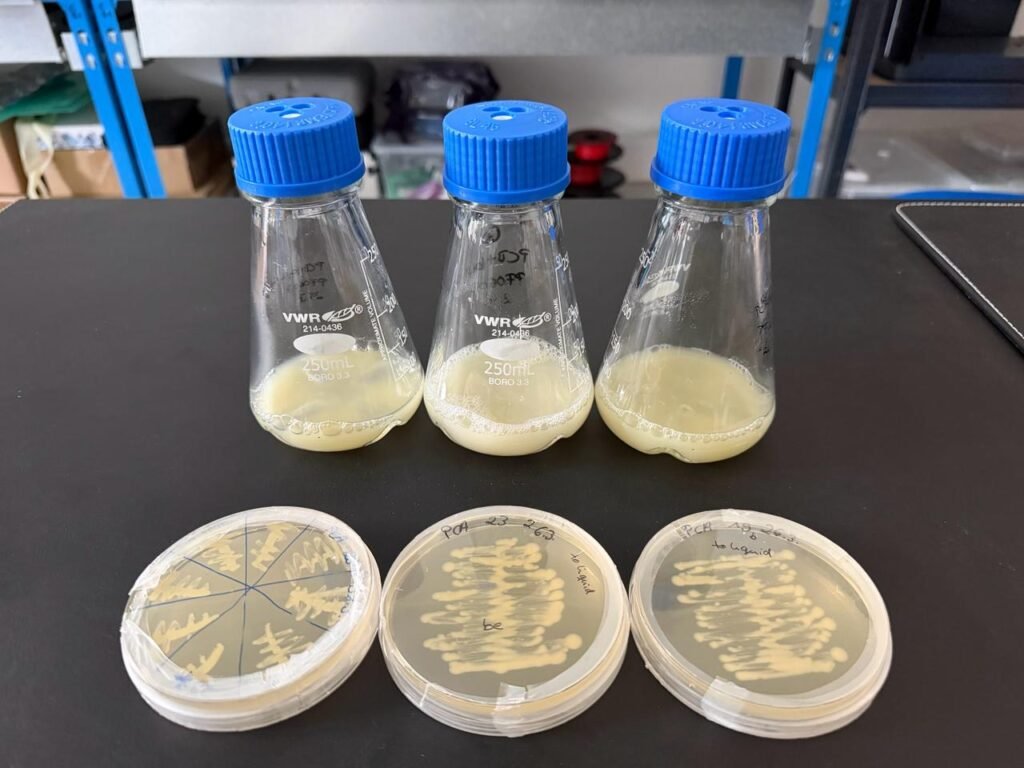
Most of the performance gap between a wild microalga and a commercially useful one is closed by selection and adaptation. What that work involves, and why we work non-recombinant.
Growing microalgae in the dark on a sugar source sounds like a contradiction. It is also the main reason algal ingredients are becoming affordable for mainstream food.
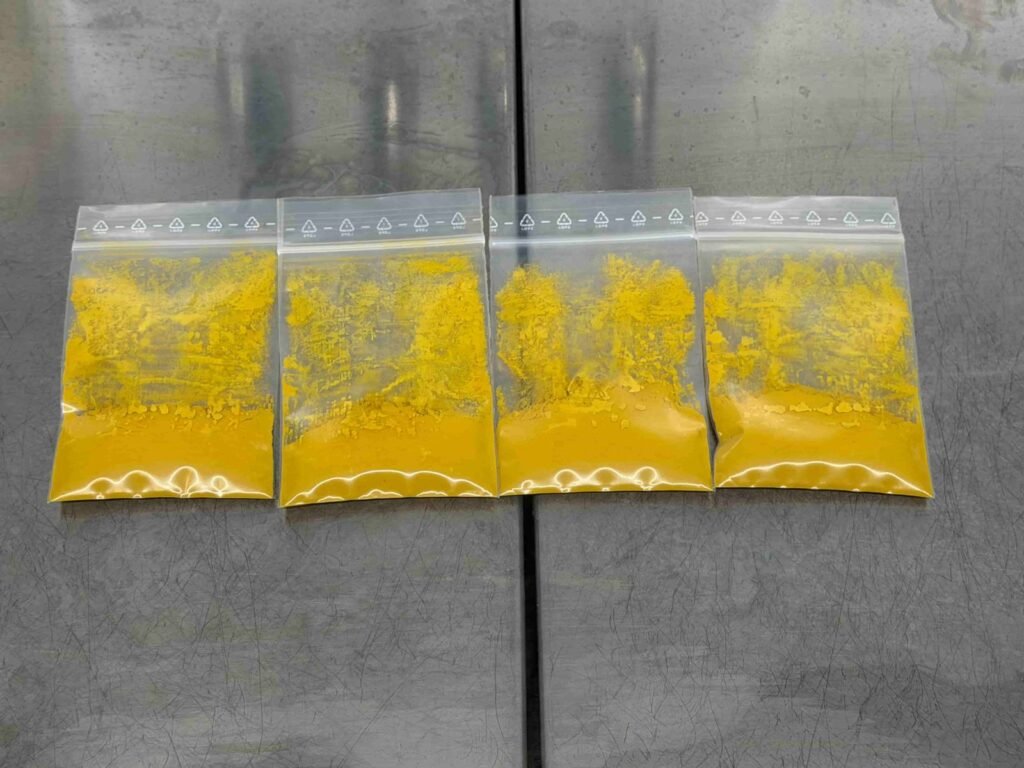
Some microalgae secrete a sulphated polysaccharide matrix into the water around them. Extracted, it behaves in ways that are hard to reproduce synthetically.
We use cookies that the site needs to work. With your consent, we also use Google Analytics to understand how visitors use the site. You can change your choice at any time.