
Microalgae, reimagined.
Towards a new era of algae fermentation.
1. Bioactive ingredient sales
From single ingredients to complete formulations – B2B.
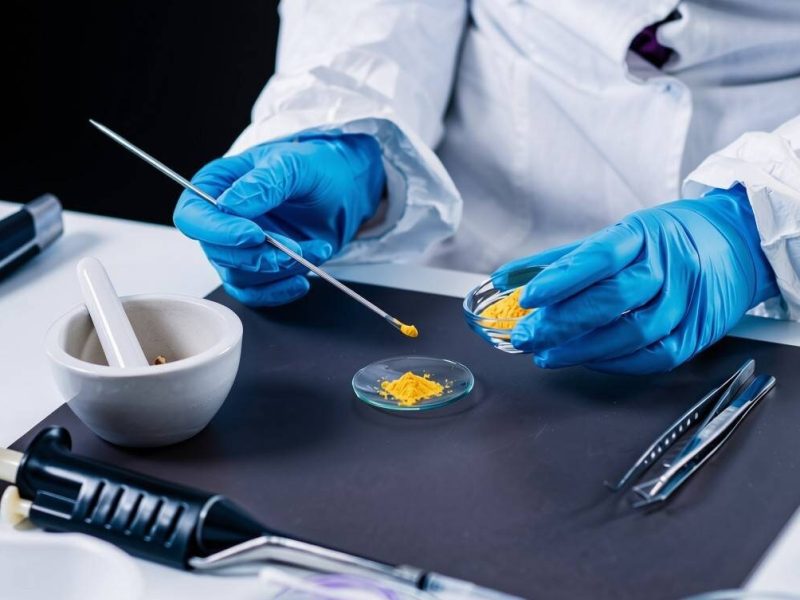
We don’t just supply raw algae ingredients. We build formulations that combine bioactive algal compounds for targeted effects: gut health and antioxidant support for human nutrition, tailored blends for dietary supplements, nutrient-dense formulas for pet nutrition, and active compounds for cosmetic applications.
Best for: brands that want a nutrition partner, not just a supplier.
2. Strain and technology licensing
You manufacture.
We license.
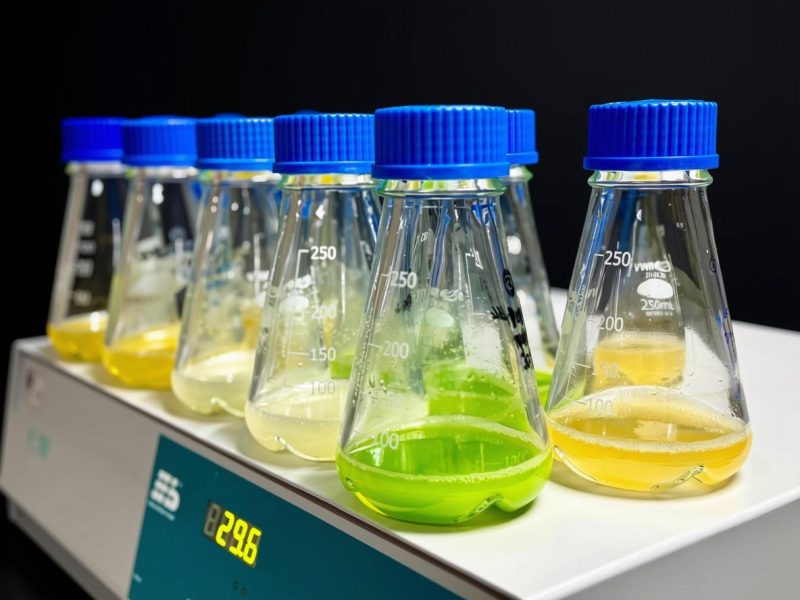
License a proprietary strain, a fermentation process, or both, and scale it in your facilities: exclusive rights, full technical transfer, and hands-on support to get your team producing at spec. You pay one upfront fee, plus a royalty tied to your success, with ongoing support as the partnership matures.
Best for: manufacturers and ingredient companies who want to scale production themselves.
3. Strain and technology services
Your target.
Our know-how.
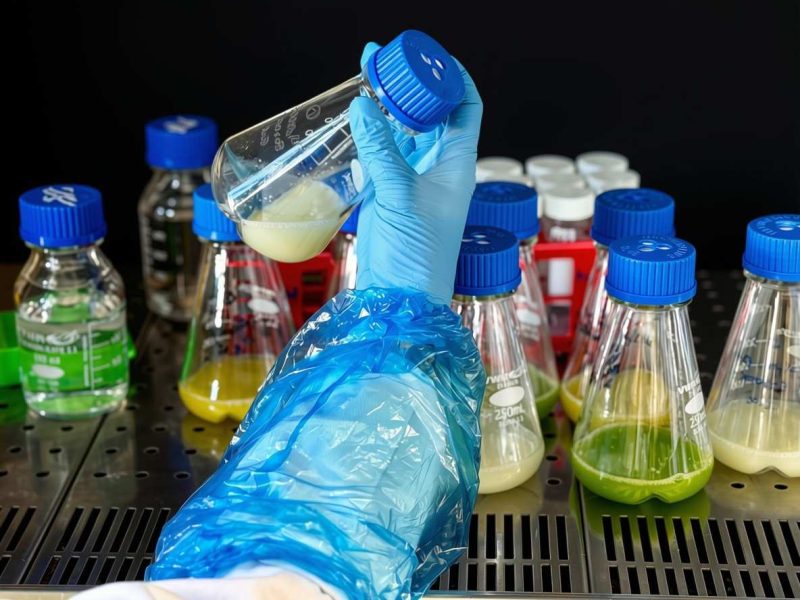
You set the target, we hit it: higher DHA, greater protein content, richer pigment composition, better yield, increased stress tolerance, whatever the spec calls for. Fixed fee, fixed timeline, full technical handover, and you walk away owning complete commercial rights to what we deliver, no royalties, no strings attached.
Best for: companies needing a specific problem solved once, with full IP ownership.
How we're constantly improving our platform for sustainability:
Towards a more
regenerative process through
agro-industrial sidestreams
We’re moving fermentation feedstock away from conventional inputs and onto low-cost, agro-industrial carbon sources, like rice grits, potato starch, and molasses, that would otherwise go to waste. It’s frontier work in circular bioprocessing: a lower-cost, lower-impact way to grow the same strains at scale.
Towards smarter biomass fermentation through AI-powered process control
We’re building an AI-driven fermentation monitoring system that gives a live analytical read on every batch, going beyond what is standard in the industry. The aim is to hold batch-to-batch quality within a tight, specified range, so scaling up does not mean losing consistency or paying a premium for it.
Towards a new era
of algae cultivation,
sustainable by design.
Most microalgae are photoautotrophic: they need light and large open surfaces to grow, which limits how sustainably they can scale. We instead adapt strains to heterotrophic conditions, developing variants that grow on a carbon source in closed fermenters, making the process less resource-intensive than conventional cultivation.
Meet Our Team
Founded in Faro in 2024 out of the European microalgae research ecosystem. Strain development, heterotrophic fermentation, industrial scale-up, innovation management and finance all sit inside the company rather than around it.
30+ years
combined experience in algae biotechnology and fermentation
3 R&D projects
running with universities and public laboratories in Portugal
6 specialists
across strain development, bioprocess, scale-up and finance
Redefining the future of nutrition via microalgae.
Microalgae hold answers to some of nutrition’s hardest problems, but only if they can be produced at scale without the cost and footprint of traditional cultivation. That is the gap PhycoFerm is closing, with a non-GMO heterotrophic fermentation platform that can be licensed, developed under contract, or turned into ingredients.
Research and development
Everything we sell starts as a strain and a process in our laboratory
We develop non-GMO microalgae strains together with the fermentation processes that make them work at industrial scale, then push each route through bioreactor validation to pilot volume with partner facilities. Four things have to work at the same time for that to hold.
01
Strain development
Non-GMO strains selected and improved against a target specification.
02
Heterotrophic fermentation
Closed stirred-tank growth, with no dependence on sunlight or season.
03
Circular growth media
Media built from agro-industrial side streams such as molasses and whey.
04
Real-time monitoring
Raman spectroscopy reading the fermentation while it runs.
Contact
PhycoFerm Lda.
Universidade do Algarve, Campus de Gambelas, Pavilhão B1, Gab. E6 (CRIA)
8005-139 Faro
Portugal